In the heart of Igbo cosmology, few objects carry as much power and reverence as the Ọfọ. More than just a sacred stick or ritual staff, Ọfọ represents truth, justice, and the divine authority of the ancestors. It is both a spiritual emblem and a moral compass — guiding communities through generations and reminding every Igbo person of the deep connection between morality, ancestry, and divine justice.
🌿 What Is Ọfọ?
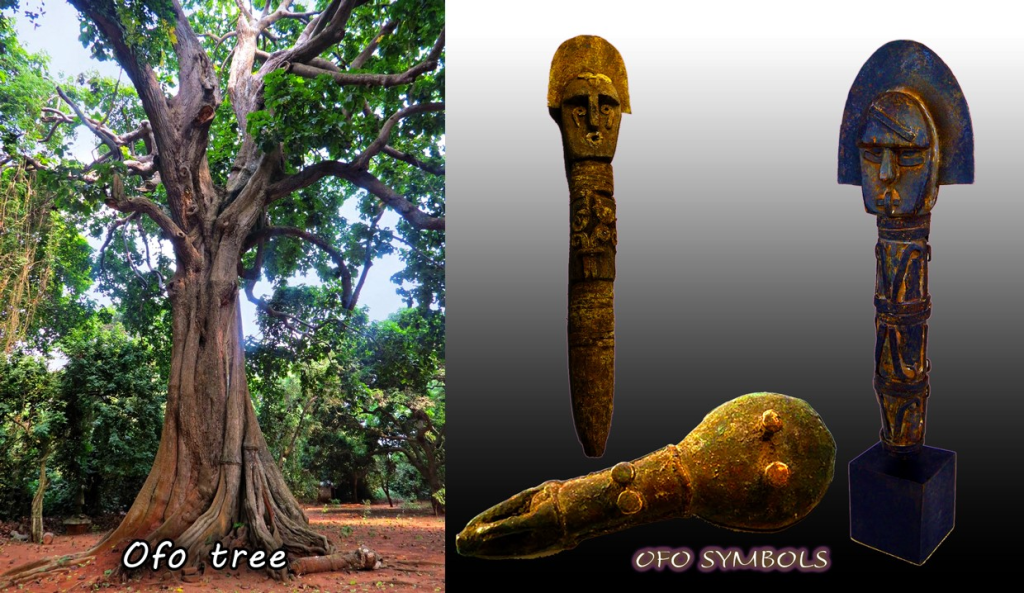
Ọfọ is typically a sacred staff carved from the ofo tree (Detarium elastica), symbolizing purity and divine authority. It is often held by elders, priests, or community leaders who act as custodians of truth and justice.
To the Igbo, Ọfọ is not a mere object; it is a living spiritual witness — a physical medium through which Chukwu (God) and the ancestors (ndi ichie) uphold righteousness and moral order.
In traditional belief, only a person who lives an upright life — one free from deceit, injustice, and wrongdoing — can rightfully hold Ọfọ. It is often said:
“Onye ji Ọfọ ga-adi n’otu n’obi.”
He who holds the Ọfọ must have a clean heart.
⚖️ The Meaning and Power of Ọfọ
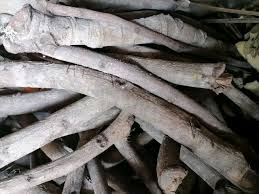
The spiritual essence of Ọfọ lies in its connection to truth (ezigbo okwu) and justice (ikpe ziri ezi). It is believed that whoever holds the Ọfọ and speaks falsely invites instant spiritual judgment upon themselves.
In ancient times, disputes within a village were often settled before the Ọfọ. The person claiming innocence would touch the sacred staff and declare the truth. If they lied, the gods and ancestors were believed to punish them through sickness, misfortune, or death.
This act wasn’t mere superstition — it was a way of preserving moral integrity in the community. Ọfọ served as a divine reminder that truth and justice transcend human power.
Ọfọ and Ogụ: The Twin Symbols of Justice
In many Igbo traditions, you’ll often hear the phrase “Ọfọ na Ogụ”, symbolizing the inseparable pair of justice (Ọfọ) and innocence (Ogụ).
- Ọfọ represents divine justice and authority.
- Ogụ represents moral purity and innocence.
Together, they form the foundation of ethical living and social harmony in Igbo culture. When someone proclaims,
“Agwo m Ọfọ na Ogụ,”
it means, “I stand with truth and justice; I am innocent.”
Such a declaration invokes divine and ancestral witness to one’s righteousness.
👑 Who Holds the Ọfọ?
Not everyone can hold or wield the Ọfọ. It is traditionally entrusted to:
- The eldest man (Okpara) in a lineage or family.
- Priests (Ndị Nze na Ọzọ) and diviners who serve as spiritual intermediaries.
- Kings (Eze) or community leaders who rule by ancestral and divine authority.
When the eldest man dies, his Ọfọ is passed to his successor — symbolizing continuity of lineage and ancestral blessing. If no worthy successor exists, the Ọfọ remains dormant until someone spiritually qualified emerges.
🕊️ Ọfọ in Prayer and Ritual
In Igbo religion, Ọfọ plays a vital role during prayers, sacrifices, and covenant-making. When held upright during a prayer, it signifies a direct link between the human and spirit world — an open channel between the living and the ancestors.
During prayers, the elder or priest might say:
“Ndiichie biko, gbaa anyị ọsọ, anyị ji Ọfọ n’aka.”
(Ancestors, we hold the Ọfọ — stand for us in truth.)
This act invokes ancestral justice and divine intervention, ensuring that prayers or oaths are pure and truthful.
🌳 The Symbolism of the Ọfọ Tree
The tree from which Ọfọ is made is not chosen at random. It must come from the detarium elastica (the Ọfọ tree), which is sacred for its strength, resilience, and purity.
Just as the tree stands firm against storms, Ọfọ represents the steadfastness of truth. It teaches that truth may bend but never breaks, and justice — though delayed — must always prevail.
🪔 Ọfọ as a Symbol of Ancestral Continuity
Every family or clan in Igboland traces its existence to a shared ancestor. The Ọfọ serves as a spiritual certificate of legitimacy — a bridge between the living, the dead, and the unborn.
When a man holds his family Ọfọ, he stands not as an individual but as a representative of his ancestors. Through it, ancestral blessings, protection, and guidance flow to the family.
This is why disrespecting or mishandling Ọfọ is seen as an abomination — it’s akin to dishonoring the ancestors themselves.
🔥 Ọfọ in Modern Igbo Society
Even in modern Igboland, Ọfọ remains a respected spiritual symbol, though its use has evolved. Many Christian families still preserve their ancestral Ọfọ not as an idol, but as a heritage of justice and truth.
Some use it metaphorically — when they say, “Ọfọ m di kwa,” (My Ọfọ still stands), they mean their truth and integrity remain unshaken.
The philosophy behind Ọfọ continues to inspire moral leadership, fairness, and accountability — principles the modern world deeply needs.
🌞 Ọfọ as a Moral Philosophy
Beyond religion, Ọfọ embodies the ethical spirit of the Igbo people. It calls for:
- Honesty in speech and action.
- Respect for elders and traditions.
- Accountability in leadership.
- Justice without corruption or bias.
An Igbo elder once said:
“Ọfọ anaghị agba mgbọ.”
(Truth does not shoot bullets — it stands and prevails.)
This timeless wisdom echoes through generations: Truth, like Ọfọ, may be tested, but it cannot be destroyed.
🌺 Conclusion: Ọfọ — The Eternal Witness of Truth
Ọfọ is not just an artifact; it is the moral backbone of Igbo civilization. It reminds every generation that power without truth is hollow, and leadership without justice is cursed.
In a world racing toward modernity, the message of Ọfọ remains timeless: Live with integrity, speak the truth, and stand with the ancestors — for truth is eternal.