In the sacred web of Igbo spirituality, divinity flows through both masculine and feminine energies.
While many know of Chukwu, the Supreme Being who governs the universe, the feminine deities — Ala, Ani, Idemmili, and others — embody the heart of creation, morality, fertility, and cosmic balance.
These goddesses are not “lesser gods.”
They are manifestations of divine intelligence, protectors of life, and keepers of moral order.
To understand Igbo spirituality fully, one must understand its feminine side — the divine womb that sustains existence.
This article explores the three great goddesses of Igbo cosmology: Ala (Ani), the Earth Mother and moral guardian; Idemmili, the keeper of sacred waters and purity; and the spiritual essence of feminine divinity in Igbo thought.
The Sacred Balance in Igbo Cosmology
The Igbo believe that all things exist in balance — nwoke na nwaanyị, male and female, light and dark, seen and unseen.
Even Chukwu, the Supreme Being, embodies both masculine and feminine energy — the creative duality that brings harmony to the universe.
The feminine aspect of this divine order is what gives life, beauty, fertility, and justice.
Without the Ala, there would be no earth to walk on.
Without Idemmili, there would be no purity in the waters that give life.
Feminine divinity, therefore, is not secondary — it is foundational.
1. Ala / Ani – The Earth Mother and Moral Guardian
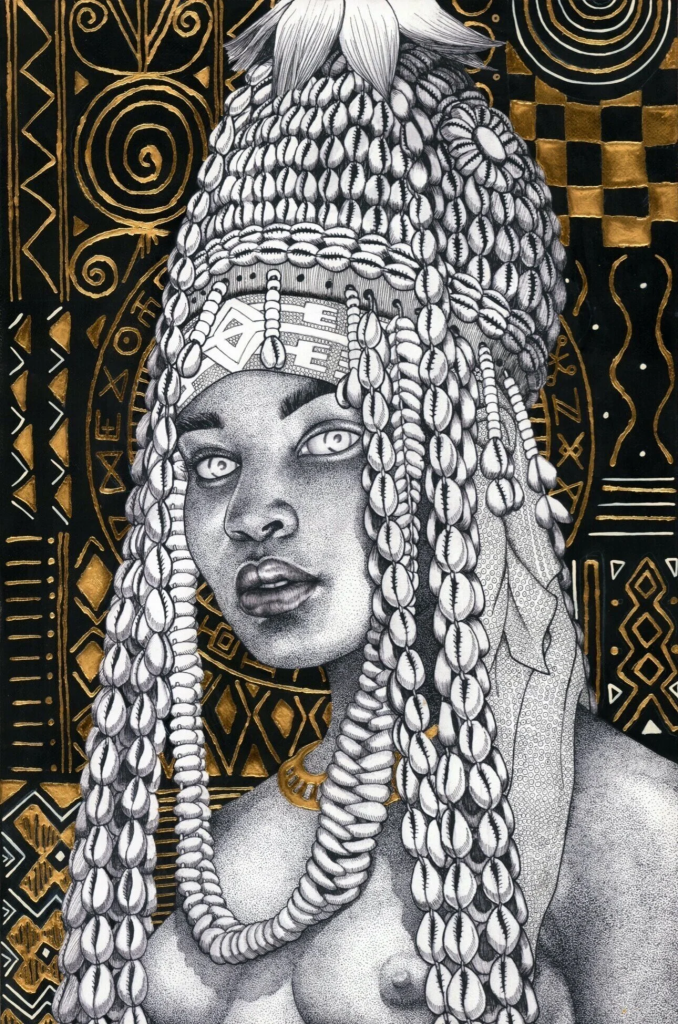
Among all Igbo deities, Ala (also called Ani) stands as the most revered.
She is the goddess of the Earth, fertility, morality, and law.
Every breath of life, every harvest, every oath — all fall under her sacred watch.
Ala as the Earth Itself
The very ground beneath one’s feet is Ala.
She is the soil that feeds us, the womb that receives the dead, and the body of nature that sustains all living beings.
“Ala bụ ndụ.”
The Earth is life.
Every Igbo village recognizes Ala as the highest deity after Chukwu — and often the most directly involved in human affairs.
Ala and Morality
Ala governs omenala — the customs, ethics, and moral laws of the people.
To violate these sacred codes (e.g., incest, murder, or desecration) is called nso Ala — an abomination against the goddess.
Such acts are believed to offend the Earth herself, causing imbalance, sickness, or misfortune until cleansing rituals are performed.
Thus, Ala is not just Earth — she is the conscience of the community, ensuring harmony between humans, spirits, and nature.
Ala as the Womb of the Ancestors
When a person dies, their body returns to Ala.
The Igbo say, “Ala na-eri mmadụ, Ala na-amụ mmadụ ọzọ” — The Earth swallows a person and gives birth again.
This cycle makes Ala both the giver and receiver of life — the ultimate symbol of motherhood and continuity.
2. Idemmili – The Goddess of Sacred Waters and Purity
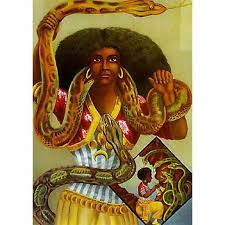
If Ala rules the earth, Idemmili governs the waters — rivers, lakes, and spiritual currents that sustain creation.
Her name means “the pillar of waters” or “the one who holds the waters.”
She is the guardian of purity, discipline, and dignity, often associated with the python (eke) — her sacred symbol.
The Sacred Python
In communities near the River Idemmili (in present-day Anambra State), pythons are considered holy messengers of the goddess.
They are never harmed, and if one dies naturally, it is buried with full human rites.
Why? Because the python represents the continuity of life, the sacred spiral of existence, and the silent wisdom of the divine feminine.
“Eke bụ nwa Idemmili.”
The python is the child of Idemmili.
To harm it is to offend the goddess herself.
Idemmili and Discipline
Idemmili is not only about beauty and water — she also teaches self-control and spiritual discipline.
Her waters cleanse, but they also test.
She symbolizes the power of restraint, teaching that true strength flows not from chaos but from calm authority.
The Waters of Life
Idemmili’s waters are believed to carry spiritual power — the energy of cleansing, fertility, and renewal.
When a woman seeks to conceive or restore balance in her home, she may perform rituals by the river with offerings and prayers to Idemmili.
She represents the purity of womanhood — calm yet powerful, gentle yet unyielding.
3. Feminine Divinity in Igbo Spiritual Thought
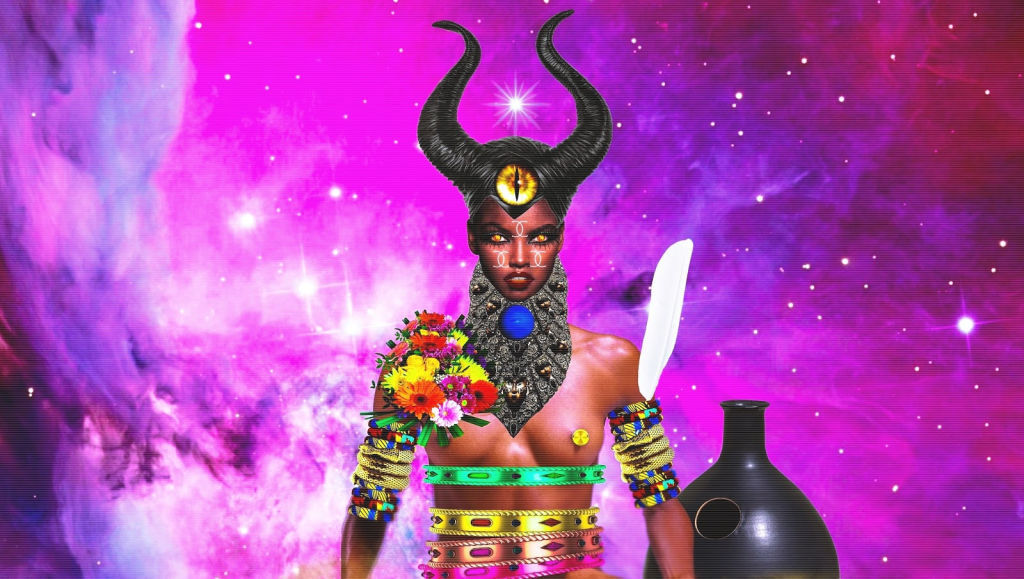
Beyond specific goddesses, the Igbo worldview sees the feminine as divine essence itself — the creative principle (Chi nne) that gives birth to all existence.
Chi Nne – The Divine Mother Within
Every person has a Chi — a personal spiritual double or divine spark.
Some spiritual traditions speak of the Chi Nne, the feminine Chi, representing nurturing, intuition, and life-giving force within every soul.
It is said that when a person listens to their Chi Nne, they walk in peace and purpose — guided by inner wisdom and compassion.
The Feminine and Creation
In the beginning, before names or forms, the feminine principle was the first movement of creation — the cosmic womb (ụlọ ụwa), where spirit took shape.
This echoes across Igbo myth and philosophy: that the world was born through the gentle unfolding of divine feminine energy — nurturing yet boundless.
The Role of Priestesses and Women in Igbo Spirituality
Because of the reverence for feminine deities, women hold important spiritual offices in traditional Igbo religion.
Priestesses (Agbala nwanyi) serve as oracles, healers, and custodians of sacred groves and altars.
In ancient times, they were respected as voice-bearers of Ala or Idemmili, consulted for justice, fertility, and healing.
Even kings and titled men sought their guidance, acknowledging that divine truth often speaks through the feminine vessel.
This reverence is still seen today in shrines dedicated to Ala and Idemmili, where women perform rituals that maintain spiritual balance and community purity.
The Modern Relevance of Igbo Goddesses
In a world dominated by patriarchal narratives, the Igbo goddesses remind us of a timeless truth — that feminine power is sacred, wise, and essential.
Their presence challenges the imbalance of modern spirituality, inviting us to rediscover respect for nature, motherhood, and moral integrity.
Through Ala, we learn that the Earth is sacred and deserves care.
Through Idemmili, we learn the value of purity and discipline.
And through the feminine principle, we understand that every act of creation — from childbirth to innovation — flows from divine womanhood.
Lessons from the Goddesses
- Ala teaches justice and morality.
Every action must honor the Earth and humanity. - Idemmili teaches purity and restraint.
Power must be guided by calm wisdom. - Chi Nne teaches self-awareness and creativity.
The divine feminine lives in every heart that nurtures and creates.
Conclusion
The story of Ala, Ani, and Idemmili is not ancient folklore — it is a living reminder of balance, wisdom, and sacred womanhood in Igbo thought.
Through them, we see that the divine feminine is not passive — she is the moral compass, the nurturer, the healer, and the protector of all life.
When we honor the goddesses, we honor the Earth, the waters, and the spiritual womb that continues to birth generations.
“Nne bụ ndụ.”
The Mother is life.
Let this truth echo beyond tradition — reminding us that to destroy the feminine is to destroy balance itself.
May the power of Ala, Ani, and Idemmili continue to guide us toward peace, purity, and harmony with the sacred world around us.